
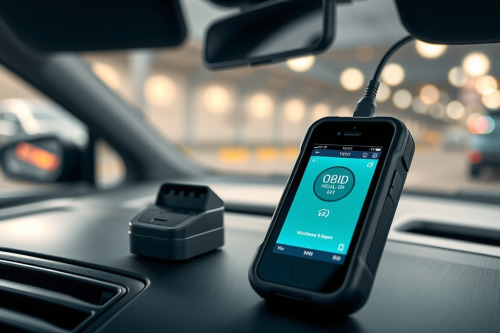
After spending twenty-five years busting knuckles in a busy shop, I've seen diagnostic tools evolve from bulky roll-around cabinets into sleek handheld tablets. Plugging a Wireless OBD2 Scanner into a stubborn vehicle gives you the freedom to move around the bay without tripping over dangling cables. Cutting the cord saves precious setup time and lets you monitor live engine data directly under the hood. Investing in a dependable Bluetooth VCI dongle changes how you approach complex electrical diagnostics forever.

Why every flat-rate tech needs a Wireless OBD2 Scanner
Ditching the traditional main cable solves one of the biggest headaches in a modern repair facility. When you're performing a bi-directional test on an anti-lock brake pump or cycling an EVAP purge valve, sitting in the driver seat is inefficient. A solid Wireless OBD2 Scanner allows you to stand right at the component while triggering actuators with your tablet.
Troubleshooting intermittent wiring faults requires physical freedom around the vehicle chassis. You can wiggle harness connectors under the hood while watching short-term fuel trim values respond in real time on screen. That immediate visual feedback prevents you from going down a costly diagnostic rabbit hole.
Time is money when you work on flat-rate pay structures. Eliminating cable wrap-up time and avoiding damaged pins on heavy OBD harnesses protects your equipment and speeds up vehicle turnaround. A dependable VCI connection keeps your bay moving smoothly all day long.
Important features to look for in a Wireless OBD2 Scanner
Not all dongles are built to survive the harsh environment of a professional repair shop. You need a rugged rubberized housing that withstands accidental drops onto hard concrete floors. Bright screen visibility under direct sunlight is equally vital when performing road tests outside the building.
Fast data refresh rates are non-negotiable when tracking down engine misfires or CAN-bus communication drops. A sluggish tool missed dropouts that cause rough idling on late-model vehicles. Look for hardware capable of handling high-speed CAN networks without freezing during live data graphing.
Bi-directional control and full system scanning capabilities separate basic code readers from true diagnostic workhorses. Your tool must read freeze frame data across all body control modules, transmission control units, and powertrain computers seamlessly. Comprehensive ECU coverage ensures you clear hidden fault codes before returning keys to customers.
Real shop testing and diagnosing tough vehicle issues
Just last Tuesday, I had a stubborn Ford F-150 in my bay with an intermittent misfire under load. The customer had already replaced spark plugs and ignition coils without solving the hesitation. Standard code scans showed no active diagnostic trouble codes stored in primary memory.
I grabbed my Wireless OBD2 Scanner, plugged the compact VCI into the dlc under the dash, and set up a custom PID list. Leaving the tablet on my rolling cart near the fender, I manually checked fuel pressure while manipulating secondary wire looms. Watching real-time cylinder misfire counts spike on screen pinpointed a chafed injector harness within ten minutes.
Without wireless freedom, tracking down that intermittent short would have required two technicians or constant back-and-forth trips to the cabin. Pinpointing root causes quickly builds customer trust and prevents frustrating comebacks that eat into shop profits.
Avoiding software glitches and dongle connectivity drops
Bluetooth signal interference can happen when working around heavy shop equipment or metal lift posts. High-end diagnostic units utilize dual-band Wi-Fi or boosted Bluetooth protocols to maintain rock-solid connectivity. A dropped connection during a critical ECU reflash can brick an expensive module instantly.
Software stability is just as critical as physical durability. Cheap aftermarket adapters often suffer from slow data buffering or sudden application crashes during active relearns. Trustworthy tools offer regular firmware updates to keep pace with new vehicle communication standards.
Always verify battery voltage before running bi-directional output tests or sensor recalibrations. Low system voltage causes communication timeouts that look like hardware failures on your screen. Using a stable battery maintainer during diagnostic sessions prevents software glitches entirely.
Maximizing shop efficiency and preventing comebacks
Integrating a modern scan tool into your intake workflow catches hidden issues before they surprise your team. Performing a quick full-system health check during routine oil service uncovers pending codes in secondary modules. Catching a failing wheel speed sensor early adds billable hours while protecting the vehicle owner.
Documenting pre-repair and post-repair diagnostic scans protects your business against pre-existing electrical faults. Printing or emailing clean diagnostic reports directly from your tablet builds absolute transparency with vehicle owners. Clear documentation proves that your repairs resolved the customer concern completely.
Keep your diagnostic gear organized on a dedicated cart equipped with charging docks and clean micro-fiber cloths. Taking care of your diagnostic hardware ensures it stays ready for the next challenging bay job. Well-maintained equipment reflects the professional standards of your entire automotive shop.
Final verdict on choosing a Wireless OBD2 Scanner for your bay
Upgrading your workshop setup with a high-performance Wireless OBD2 Scanner is one of the smartest investments a technician can make. The combination of bi-directional control, rapid graph updating, and untethered movement saves valuable bay time every single shift. Stop wasting hours wrestling with tangled cables and missing intermittent electrical glitches.
Inspect your current diagnostic setup, evaluate your daily workload, and pick a professional-grade tool that matches your vehicle coverage needs. Partnering with dependable diagnostic equipment keeps your shop competitive, profitable, and ready for future automotive technology. Test out a quality wireless tool today and elevate your diagnostic workflow to the next level.