
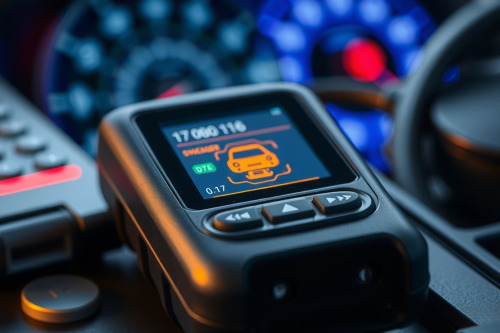
After spending over twenty years busting knuckles in an independent auto shop, I've seen countless DIYers waste hundreds of dollars swapping good parts because they couldn't read a simple trouble code. Plugging a smart Cheap OBD2 Scanner into your vehicle setup gives you immediate insight into engine management problems without taking a massive bite out of your tool budget. We rely on these compact diagnostic tools daily to quickly pull freeze frame data and verify sensor outputs before tearing down an engine harness. Knowing how to read those fault codes accurately saves valuable bay time and prevents expensive diagnostic rabbit holes.

What a smart Cheap OBD2 Scanner can do for your vehicle
When you plug a diagnostic tool into the DLC connector beneath the steering column, you establish a link with the engine control module. Modern vehicles use CAN-bus architecture to broadcast sensor measurements across the system in real time. A compact reader translates those high-speed digital signals into diagnostic trouble codes that explain why your check engine light illuminated.
You don't need an expensive rolling cart console just to clear a nuisance code or monitor coolant temperatures. Compact dongles read active fault codes, pending DTCs, and permanent records stored inside the internal memory of the PCM. They display status indicators for smog readiness monitors so you know if your vehicle will pass inspection before driving down to the state testing station.
Basic units have clear limitations that every flat-rate tech understands. You'll not get bi-directional actuation testing or advanced key coding on an entry-level adapter. However, for baseline electrical troubleshooting and reading standard powertrain parameters, an affordable reader delivers exceptional utility for very little money.
Reading live parameters and freeze frame data on the fly
Pulling trouble codes is only half the battle when diagnosing an intermittent drivability concern. Freeze frame data captures an exact snapshot of engine operating parameters at the precise millisecond a fault code triggers. If a misfire occurs under heavy engine load, the stored snapshot shows engine speed, manifold absolute pressure, and calculated load percentage.
Monitoring short term fuel trim and long term fuel trim values reveals whether an engine runs rich or lean. A positive fuel trim value above ten percent indicates the computer is adding excess fuel to compensate for unmetered vacuum leaks. Watching these numbers dynamically while spraying intake cleaner around intake gaskets helps you spot hidden leaks in seconds.
The screen visibility under direct sunlight varies between budget models. High-contrast display screens let you read mass air flow sensor rates and throttle position percentages clearly while sitting in the driver seat. Responsive refresh rates keep the live graph smooth so you never miss sudden voltage drops from a failing O2 sensor.
How a smart Cheap OBD2 Scanner pinpoints tough misfires
Just last Tuesday, I had a stubborn Ford F-150 in my bay with an intermittent misfire that baffled the owner for weeks. The customer had already replaced all six spark plugs and two ignition coils without solving the problem. I plugged in our handheld unit and immediately reviewed the real-time cylinder misfire counters stored in mode six data.
The scanner showed cylinder four recording hundreds of subtle misfire events only when overdrive engaged at highway speeds. A quick inspection revealed a corroded wiring connector on the fuel injector rather than a failed ignition component. Replacing that single pin housing fixed the truck immediately and saved the customer from throwing more money at functional ignition coils.
A smart Cheap OBD2 Scanner helps you avoid replacing functional sensors blindly. By analyzing sensor signal data alongside misfire counters, you isolate the root cause before ordering unnecessary replacement hardware. That level of systematic diagnosis prevents comebacks and builds absolute confidence in your repairs.
Avoiding software glitches and dongle connection issues
Hardware durability and software stability separate dependable shop tools from cheap junk. Connecting a plastic VCI dongle under a heavy dash requires a snug connector housing that won't flex or drop pins. Loose terminal fitment creates erratic communication errors that can frustrate even senior mechanics during diagnostic routines.
Bluetooth connectivity gives / includes great freedom around the shop, but wireless drops can happen. You must never attempt a critical module flash or long calibration test over a low-cost wireless dongle because signal interruptions can brick a module. For quick code scans and sensor graphing, wireless handhelds offer unbeatable speed when moving between service bays.
Software applications tied to mobile adapters vary wildly in quality. Some phone apps demand constant subscription updates or push annoying popup ads while you inspect live data. Pick simple software platforms that store offline code databases so you can work in metal shop buildings without cellular service.
Real shop testing on stubborn check engine lights
Evaluating an affordable scan tool requires testing it under real garage conditions. I test these units by pushing rubberized buttons with greasy gloves and checking how well the casing survives drops onto concrete shop floors. A solid rubber boot prevents internal circuit board damage when a tool inevitably slips off a fender cover.
Speed matters when you've five vehicles waiting in the staging lane for intake scans. Fast processor speeds allow the scan tool to establish protocol handshakes with ISO and SAE vehicle networks in under five seconds. Slow boot times waste energy and add frustration when you're trying to turn work quickly.
Understanding protocol support is critical for broad coverage across domestic and import vehicles. A capable reader must communicate seamlessly with controller area network protocols as well as older K-line communication standards. Having universal protocol access ensures you can service older commuter cars and modern trucks without buying separate adapters.
Maximizing diagnostic productivity with a smart Cheap OBD2 Scanner
Before buying any entry-level reader, inspect the physical build quality and verify cable strain relief. Connect the unit to your daily driver and verify that key data PIDs like engine RPM, intake air temperature, and timing advance update smoothly. Keep an affordable unit in your rolling tool cart as a dedicated quick-check device while keeping your main diagnostic rig locked away for complex programming jobs.
Every technician and home mechanic benefits from having access to dependable fault code reading. Owning a smart Cheap OBD2 Scanner puts detailed engine telemetry right at your fingertips and eliminates guesswork during initial vehicle check-in. Grab a proven reader today, plug into your diagnostic port, and take complete control of your vehicle maintenance routines.