
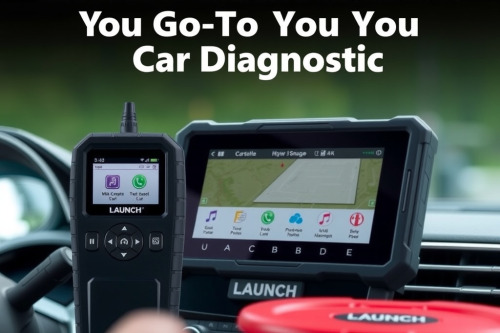
I spent years busting knuckles in busy bays where wasted minutes destroy a flat-rate tech paycheck. When a stubborn Chevy Silverado rolled in with an intermittent check engine light, I grabbed a new unit to put together this honest Launch CR529 review. We need quick answers without dragging a heavy rolling cart across the shop for a simple code pull. This compact OBD2 Scanner promises fast live data and DTC lookup to keep your workflow moving smoothly.
Hands-on shop test for a Launch CR529 review
Plugging this tool into the DLC port of the Silverado took two seconds. The color screen fired up instantly without relying on internal batteries that always die when you need them most. I pulled a P0300 random misfire code right away, saving valuable bay time before diving into secondary ignition tests.
The rugged casing feels solid enough to survive drops on concrete floors. The rubberized buttons respond well even when your hands are slick with oil or grease. For quick pre-scans during vehicle intake, this small tool earns its spot on your workbench.
Key features that cut down on bay time
The dedicated I/M readiness hotkey gives you instant status on emissions monitors. You don't have to click through endless submenus just to see if a drive cycle completed after a repair. That quick visual check prevents sending a customer to the state test lane too early.
Live data streaming allows you to graph sensor readings side by side. Seeing O2 sensor voltage fluctuate in real time helps you spot fuel trim issues fast. It keeps you from falling down a diagnostic rabbit hole on complex driveability issues.
Where this code reader falls short in the shop
Don't expect full shop tablet performance from a budget hand unit. This tool reads and clears generic OBD2 codes, but it lacks bidirectional testing or ABS and SRS coverage. You cannot actuate solenoids or reset oil life monitors on most domestic or import vehicles.
The main cable is also on the shorter side. If you need to manipulate components under the hood while watching live data from the engine bay, you will feel the strain. It's a dedicated code reader, not a replacement for a high-end scan tool.
Comparing the unit against best obd2 scanner options
When stacked against competing budget readers, the clear display and built-in DTC lookup library stand out. Many cheap tools display vague code numbers that force you to search online. Having the definition right on the screen speeds up your initial estimate process.
If you want a reliable backup tool while your main diagnostic rig is busy, this unit makes sense. It handles basic OBD2 protocols across most 1996 and newer light-duty trucks and passenger cars without requiring costly annual software subscription fees.
Why accurate DTC readings matter for preventing comebacks
Clearing codes without confirming the underlying fix leads straight to unhappy customers returning to your shop. Using the freeze frame data function shows you exact engine parameters at the moment the fault triggered. You can recreate those specific RPM and load conditions during your post-repair road test.
Verifying repairs under real driving parameters ensures the monitor sets cleanly. That level of thoroughness protects your reputation and keeps flat-rate hours profitable week after week.
Final verdict on the Launch CR529 review
For quick code scanning and basic emissions verification, this budget tool delivers solid shop value. It'll not handle advanced module coding or brake bleeding, but it keeps basic jobs moving without tying up primary equipment. Every tech needs a dependable secondary reader in their toolbox.
What code reader do you rely on for fast preliminary scans? Drop a comment below with your favorite daily shop tools and share this article with your fellow mechanics.