
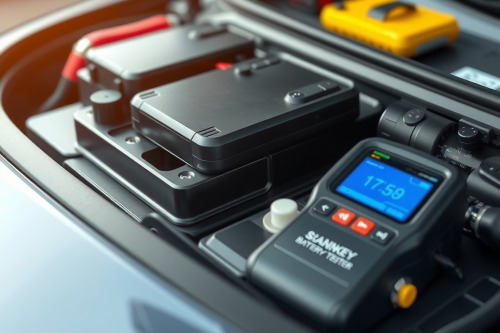
After 22 years of pulling my hair out over ghost electrical codes in busy bays, I rely heavily on modern OBD2 Battery Testers to catch voltage drops before they ruin a diagnostic job. A weak cell will trick sensitive modules into setting false sensor faults, sending any flat-rate tech down a brutal diagnostic rabbit hole. Integrating direct conductance testing with live data streams saves valuable bay time and keeps your shop from chasing phantom electrical problems. Connecting a dependable OBD2 Scanner with integrated battery diagnostic capabilities ensures you catch charging system failures before the vehicle ever leaves your hoist.

Why modern shops need dedicated OBD2 Battery Testers
Modern CAN-bus architecture is unforgiving For supply voltage. When a vehicle cranks over and drops below 9.6 volts, the primary powertrain control module and body control module undergo micro-resets. These instantaneous drops corrupt sensor reference voltages and store history codes that seem completely unrelated to the starter battery.
You can spend hours busting knuckles replacing sensors, only to find the root cause was a dead cell in an AGM battery. Diagnostic routines must start at the foundation of the electrical grid. Utilizing standalone conductance tools or a top-tier OBD2 Scanner with built-in battery analysis eliminates guesswork early in the repair process.
Reaching down under a heavy dash to plug a wireless VCI dongle into the DLC while clipping heavy lead clamps onto battery terminals gives you an instant, complete picture of vehicle health. It combines module fault memory with real-time physical battery condition in one clean step.
How conductance testing beats old carbon piles in the bay
Older technicians remember dragging heavy carbon pile load testers across the shop floor on a rolling cart. Those tools pulled hundreds of amps, generating blistering heat and risking battery damage on deeply discharged units. They were slow, noisy, and practically useless for evaluating modern absorbable glass mat batteries accurately.
Current battery testing relies on safe micro-load conductance analysis. The equipment sends a small alternating current signal through the internal grid structure to measure internal resistance in milliohms. This allows the tool to accurately calculate remaining Cold Cranking Amps without draining the battery or creating hazardous sparks.
AGM and EFB batteries feature thin, tightly packed plates designed for start-stop cycles. Standard resistance checks miss internal plate sulfation and grid detachment. Modern battery diagnostics detect structural degradation long before the driver notices a slow engine crank in the morning.
Real shop scenarios where OBD2 Battery Testers save bay time
Just last Tuesday, I had a stubborn Ford F-150 in my bay with an intermittent misfire and weird throttle position sensor codes stored in freeze frame data. The owner had already thrown two aftermarket throttle bodies at the truck before paying for my shop's labor time. I rolled my cart over, hooked up my scanner, and ran an initial power grid evaluation.
During engine start, system voltage plunged down to 8.9 volts for less than fifty milliseconds. That brief drop glitched the PCM digital converter while the starter motor kept turning over just fine. A fresh battery along with a proper Battery Management System reset cleared every single symptom instantly.
Catching these voltage drops upfront keeps your technicians profitable and working efficiently. It turns a potential three-hour diagnostic headache into a simple battery sale and relearn procedure, preventing comebacks that eat into flat-rate pay checks.
Decoding live battery data with an OBD2 Scanner
Integrating battery hardware with an advanced diagnostic platform gives you access to charging system telemetry through the data port. You can read generator field duty cycles, targeted battery target voltage, and state of charge percentage simultaneously. This eliminates false calls on variable displacement alternators.
A thorough test routine includes ripple voltage monitoring to inspect alternator rectifier diodes under full electrical load. Excess AC voltage leaking past a blown diode ruins sensitive module processors and mimics bad ground connections across the engine bay.
Tool ergonomics matter when working in tough shop environments. Clear screen visibility under direct sunlight out in the parking lot and rubberized buttons with solid tactile feedback make the job easier when your gloves are dripping with oil and shop grime.
Selecting the right equipment for preventing comebacks
Not all diagnostic gear is created equal when working on modern vehicle platforms. Cheaper hand-held units often freeze up on deeply depleted batteries below eight volts or miscalculate state of health on freezing winter mornings without automatic temperature compensation offsets built into the firmware.
Selecting an industry-grade setup ensures your software updates keep pace with new vehicle communication protocols and European battery registration routines. Failing to register a new battery to the engine computer causes overcharging that cooks a brand-new battery in six months.
Be aware of cheap Bluetooth VCI dongles that drop connection mid-reflash or produce erratic resistance numbers due to flimsy clamp leads. Investing in heavy-duty copper clamps and shielded cabling keeps your diagnostic data clean and accurate.
Putting OBD2 Battery Testers to work in your bay
Make electrical system checks a mandatory part of every vehicle intake workflow in your garage. Testing every battery that rolls over your shop bay doors uncovers hidden sales opportunities and protects your repair jobs from baseline power instability.
Maintain your testing leads by cleaning clamp jaws regularly with a wire brush and keeping your diagnostic software up to date weekly. Accurate baseline data is the single best defense against ghost fault codes and frustrated customers.
Grab your diagnostic gear, test every vehicle that enters your shop, and stop wasting unpaid hours chasing phantom electrical codes.