
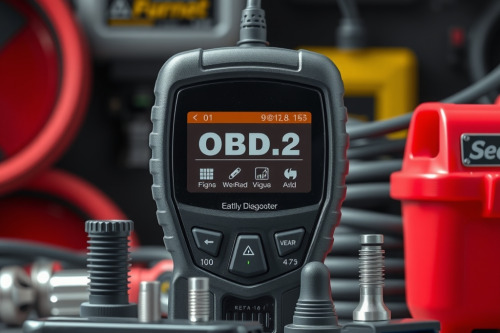
After spending over 22 years busting knuckles in a busy automotive repair shop, I know that choosing an OBD2 Diagnostic Scanner can either make your shop profitable or send you down a dead-end diagnostic rabbit hole. Plugging a cheap code reader into a customer vehicle might give you a basic trouble code, but professional diagnostic work demands bi-directional control, live CAN-bus data stream monitoring, and dependable ECU flashing capabilities. We've tested dozens of scan tools under harsh shop conditions, evaluating screen readability in bright sunlight, Bluetooth VCI connection stability, and actual software updating costs. In this article, I'll share the unfiltered pros and cons of modern diagnostic hardware to help you invest your hard-earned tool money wisely.

The real mechanics of choosing an OBD2 Diagnostic Scanner for your bay
Every flat-rate tech knows that time spent guessing on a driveability issue is lost money. When you're standing in front of an engine bay with a check engine light blaring, you need accurate data fast. Diagnostic hardware ranges from basic code readers to complex tablet systems equipped with built-in oscilloscopes and topology mapping.
A basic scanner might pull a code P0300 for a random misfire, but it will not show you short-term fuel trim behavior under engine load. Advanced diagnostic tools allow you to perform active component testing, like commanding a fuel pump relay or triggering an EVAP purge valve. Understanding the true capability of your diagnostic gear prevents unnecessary parts swapping and protects your shop reputation.
Advantages of high-end diagnostic hardware in daily repair work
Investing in a high-end scan tool brings serious advantages to your daily workflow. First, deep OEM system coverage allows you to access specialized modules like ABS, SRS, transmission control, and body control modules across domestic, asian, and european vehicles.
Bi-directional control saves critical bay time when isolating mechanical failures from electrical faults. For instance, being able to actuate individual fuel injectors directly from the touchscreen screen eliminates hours of tedious wire testing. High-resolution screens with rubberized protective boots withstand greasy fingers and accidental drops onto concrete shop floors.
Drawbacks and hidden expenses when choosing an OBD2 Diagnostic Scanner
Despite the glowing marketing claims, high-end scan tools come with important drawbacks that tool distributors rarely mention. Annual software subscription fees can easily run hundreds of dollars per year per tool, cutting directly into shop revenue.
Hardware glitches and slow startup times frequently disrupt shop operations. Some diagnostic tablets freeze up while establishing communication over high-speed CAN-bus networks, forcing a hard manual reboot right in front of a customer. On top of that, wireless Bluetooth VCI dongles can lose connection when jammed beneath a cramped steering column under a heavy Ford dash.
Hands-on testing from the shop floor with misfires and CAN-bus glitches
Just last Tuesday, I had a stubborn Ford F-150 in my bay with an intermittent misfire on cylinder four that was driving my junior tech crazy. The cheap code reader showed a P0304 code, but replacing the ignition coil did not fix the problem. I hooked up our top-tier diagnostic scanner and pulled live data graphing for long-term fuel trim values alongside crank position sensor sync.
By monitoring the freeze frame data and executing an active injector balance test, we quickly discovered an intermittent wiring harness resistance issue near the firewall. Without full PID graphing and bi-directional actuation, we'd've wasted hours replacing good engine components. However, on a 2019 Chrysler vehicle in the next bay, that same scanner required an expensive security gateway bypass cable just to clear an oil reset light.
Important features to evaluate before spending your flat-rate cash
Screen visibility and physical durability
A diagnostic tool must survive harsh automotive environments. Look for daylight-readable touchscreens and thick rubber bumpers that cushion drops from rolling tool carts.
Diagnostic speed and protocol compatibility
Modern vehicles use complex CAN FD and DoIP protocols. Make sure your chosen hardware communicates smoothly without lagging during live data stream recording.
Subscription transparency and offline functionality
Check if the tool locks you out of basic diagnostic functions when your yearly software subscription expires. Dependable tools should continue reading codes and displaying live PIDs even without active software updates.
Smart shop strategy for choosing an OBD2 Diagnostic Scanner
When choosing an OBD2 Diagnostic Scanner for your garage, never rely on a single device to solve every problem. Having a primary high-tier tablet alongside a rugged secondary code scanner ensures your shop stays productive even during software updates or device failures.
Before handing over your credit card, inspect the physical construction of the tool, verify updating costs, and test the VCI connection on multiple vehicle makes. Making an informed choice based on real mechanical needs prevents comebacks, speeds up diagnostic time, and keeps your repair bays rolling profitably. Pick the right tool today and keep your repair operations running at full throttle.